
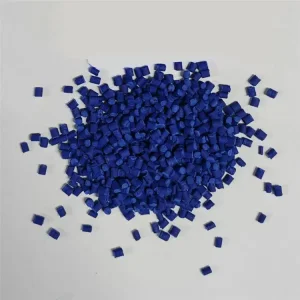
Tokyo Precision Grade
High-dispersibility pigment concentrates specifically certified for Tokyo plastic injection molding, blow molding, and film extrusion processors.
An exhaustive analysis of regional procurement paradigms, micro-structural compounding needs, and economic drivers governing custom plastic production across the Greater Tokyo Area.
The Greater Tokyo Area—encompassing Tokyo Metropolis, Kanagawa, Saitama, and Chiba Prefectures—represents the world's most sophisticated urban industrial economy. Unlike conventional manufacturing hubs that prioritize volume alone, Tokyo’s plastic processing ecosystem is characterized by ultra-high precision injection molding, advanced food-grade barrier packaging, specialized electronic component housings, and micro-thin automotive films.
In districts such as Ota City (Tokyo’s precision tooling heartland) and industrial corridors in Yokohama and Kawasaki, plastic processing facilities operate under strict Japanese Industrial Standards (JIS). These facilities require masterbatches and polymer colorants with unmatched rheological consistency, microscopic pigment dispersion, and absolute chemical purity to meet tight Japanese OEM specs.
Procurement officers in Tokyo operate within the traditional Keiretsu framework and modern lean manufacturing pipelines. They demand supplier transparency, zero-defect quality control protocols (Poka-Yoke integration), full compliance with Ministry of Health, Labour and Welfare (MHLW) notifications, and resilient cross-border supply chains originating from Industry 4.0 Chinese manufacturing facilities.
How advanced twin-screw co-rotating extrusion and specialized carrier resin matching eliminate filter-clogging agglomerates in high-speed Japanese processing machinery.
Utilizing L/D 48:1 co-rotating twin-screw extruders with segmented screw elements, raw pigments are sheared down to primary particle sizes (< 0.5 micrometers). This guarantees streak-free surface quality even in ultra-thin 10-micron film applications used by Tokyo logistics suppliers.
The Melt Flow Index (MFI) of our PE/PP carrier matrix is precisely matched to the target substrate resin (HDPE, LLDPE, PP, PET, ABS). This prevents melt-fracture, phase separation, and mechanical property degradation during high-speed molding cycles.
Incorporating Hindered Amine Light Stabilizers (HALS) and high-heat organic chromophores, our masterbatch concentrates withstand barrel temperatures up to 280°C without color shifting or thermochemical degradation.
| Masterbatch Category | Pigment/Additives Loading | Carrier Resin Match | Heat Resistance (°C) | Compliance Standard | Primary Tokyo Applications |
|---|---|---|---|---|---|
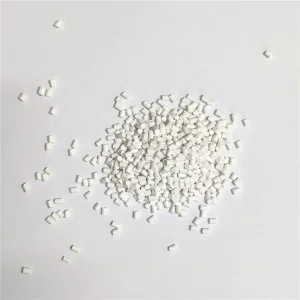
| High-White Rutile PE Masterbatch | 60% - 70% TiO₂ | LLDPE / LDPE / HDPE | 280°C | JIS K 6760, MHLW No. 370 | Convenience store food pouches, milk containers |
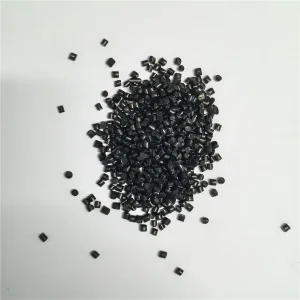
| Conductive/P-Type Black Masterbatch | 40% - 50% Furnace Carbon Black | PE / PP Carrier | 260°C | RoHS 3.0, REACH SVHC | Electronic tray packaging, Shinagawa tech housings |
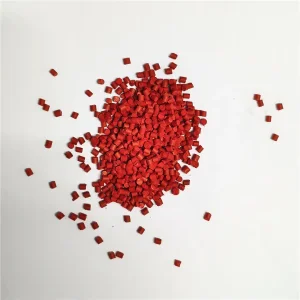
| Non-Migrating Vibrant Color Concentrates | 30% - 45% Organic Chromophores | PE / Universal Polyolefin | 250°C - 270°C | EN71-3, FDA 178.3297 | Consumer electronics, Tokyo household plastic goods |
| CaCO₃ / NaSO₄ Filler Masterbatch | 75% - 85% Ultrafine Minerals | Homo-PP / LLDPE | 240°C | ISO 9001:2016, ISO 14001 | Woven sacks, industrial pallet film, urban waste bags |
Modern B2B procurement leaders in Tokyo cannot afford supply chain disruptions, batch-to-batch color deviations, or unexpected logistics bottlenecks. Our 6,000m² smart manufacturing facility in Jiangsu, China, bridges the gap between cost-effective large-scale chemical compounding and strict Japanese precision standards.
Through our automated Manufacturing Execution System (MES) and spectrophotometric closed-loop control systems, every production run generates a digital twin. Color spectrum values (CIELAB L*a*b*), Melt Flow Rate (MFR), and moisture levels are logged in real-time, guaranteeing that re-orders placed by Tokyo factories 6 months later match the original color baseline with ΔE < 0.25.
Logistically, our strategic coastal position allows direct container shipments from Shanghai or Ningbo Port to the Port of Tokyo or Port of Yokohama within 3 to 5 transit days. For urgent OEM projects in Haneda or Narita industrial zones, air-freight options deliver validated samples within 48 hours.
Navigating Japan’s strict chemical substance controls while advancing circular economy initiatives in Metropolitan Tokyo.
Japan's Ministry of Economy, Trade and Industry (METI) enforces severe restrictions on chemical imports under the Chemical Substances Control Law (CSCL). All masterbatches supplied to the Tokyo market undergo comprehensive screening:
Tokyo’s municipal climate action framework mandates reduction in urban heat retention and plastic waste incineration:
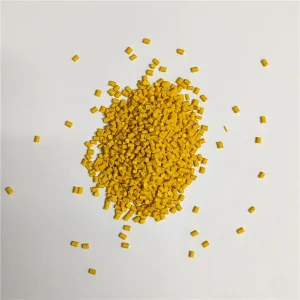
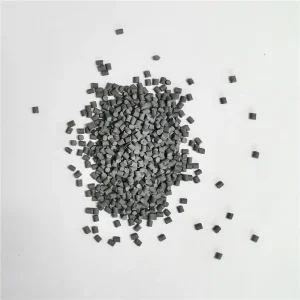
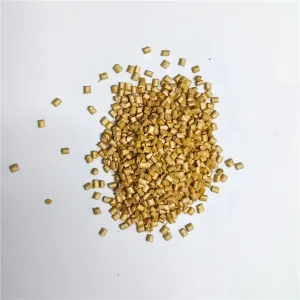
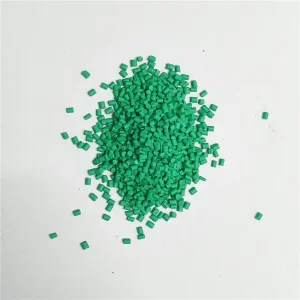
Explore our full line of non-toxic, heat-stable, and custom-colored masterbatches tailored for Japanese molders and extruders.
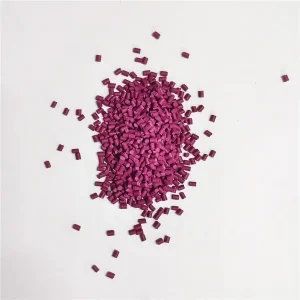
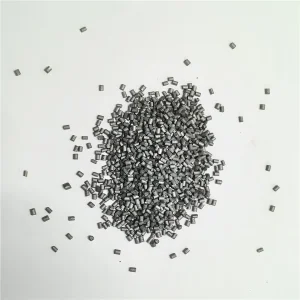
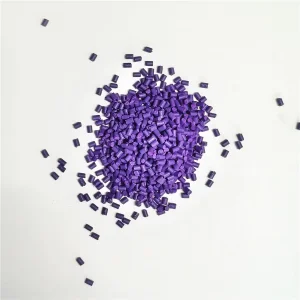
Streamlining the procurement pipeline between Chinese chemical manufacturing hubs and Tokyo’s industrial centers.
By bypassing Japanese trading houses (Shosha) and sourcing directly from our ISO 9001:2015 certified factory, Tokyo plastic processing facilities achieve direct landed cost savings of 18% to 28% without sacrificing technical performance or regulatory oversight.
We offer flexible contract structures including door-to-door DDP (Delivered Duty Paid) to Tokyo factories, bonded warehouse staging in Yokohama, and automated re-ordering triggers linked to customer ERP inventories.
Clear, authoritative answers addressing technical specifications, logistics, compliance, and custom compounding for Japanese manufacturing enterprises.
Our food-contact grade masterbatches (including white, clear, and select color lines) are formulated strictly using pigments and carrier resins listed in the Japan Positive List System for Food Containers. Every batch undergoes migration testing for heavy metals, volatile organic compounds (VOCs), and primary aromatic amines. Certified lab test reports are provided directly to your QA team prior to vessel departure.
We operate under a strict Delta E standard of ΔE ≤ 0.25 under D65 illuminant, measured with spectrophotometric colorimetry. Before mass production, a master retain sample is stored in our climate-controlled lab for up to 3 years. Re-orders are automatically benchmarked against your digital color fingerprint.
Yes. While Polyethylene (PE) and Polypropylene (PP) carrier systems represent our core stock volume, our R&D team engineers custom universal and resin-specific carriers (SAN, PET, PA, EVA, PBT) to ensure 100% melt compatibility and zero reduction in impact strength or heat deflection temperature (HDT) for your injection molded components.
Standard production turnaround for order volumes up to 20 metric tons is 7 to 10 days. Maritime transit from Shanghai / Ningbo to Tokyo Bay takes approximately 3 to 5 days. Total door-to-door delivery to your warehouse in Kanto takes approximately 14 to 16 calendar days under DDP terms.
Traditional carbon black masterbatches absorb Near-Infrared (NIR) light, making plastic containers invisible to automated sorting machinery. We offer specialized NIR-sortable black masterbatches formulated with alternative non-absorbing black pigments, allowing Tokyo recycling facilities to seamlessly identify and sort HDPE and PP polymers under municipal recycling guidelines.
Partner with a proven 16-year masterbatch manufacturer equipped for Japanese precision engineering. Request custom color matching samples, technical dossiers, or instant factory-direct pricing today.
Send Inquiry Now