Formulated to withstand high ambient temperatures (up to 50°C), UV radiation, and intense processing shear common in Lahore, Karachi, and Faisalabad industrial clusters.
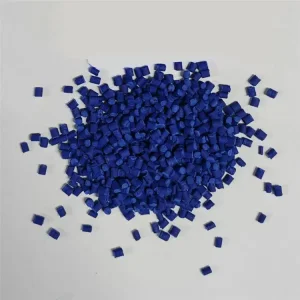
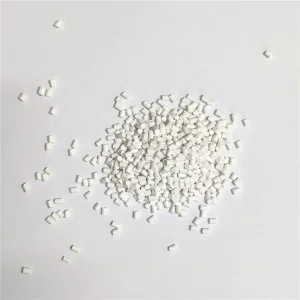
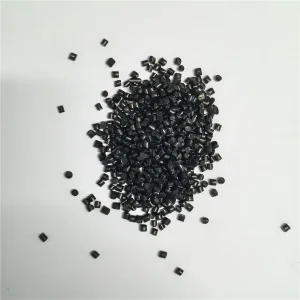
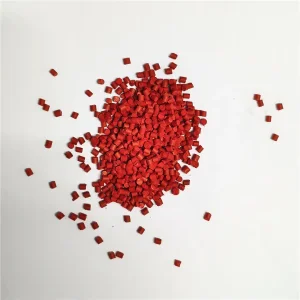
The Islamic Republic of Pakistan represents one of South Asia’s fastest-growing markets for plastics, polymers, and synthetic packaging solutions. Driven by a population exceeding 240 million and rapid urbanization, the national demand for raw plastic materials, high-density polyethylene (HDPE), polypropylene (PP), linear low-density polyethylene (LLDPE), and specialized masterbatch concentrates has scaled exponentially across industrial hubs such as Karachi, Lahore, Faisalabad, Gujranwala, and Rawalpindi.
Pakistan's local plastics processing industry consists of over 11,000 manufacturing units, ranging from large-scale packaging enterprises supplying international FMCG brands to mid-sized extruders producing woven sacks, agricultural pipes, and household commodities. However, Pakistan relies heavily on high-purity masterbatch imports to supply its local extruders, blow molding machines, and cast film lines with high-opacity pigments and functional stabilization.
As Pakistan’s economic engine and primary port city, Karachi hosts mega flexible packaging manufacturers supplying food processing, pharmaceutical, and retail markets. The city requires food-grade, FDA-compliant white and color masterbatches with minimal filter pressure values (FPV).
Specializing in industrial plastic pipes (HDPE/PPR), agricultural equipment, automotive parts, and household items. Factories in Punjab require heat-resistant black masterbatches and carbon black formulations capable of withstanding extreme environmental degradation.
Known as the Manchester of Pakistan, Faisalabad’s polyolefin woven sack industry uses PP raffia masterbatches, filler additives, and UV-stabilizers for agricultural storage bags, fertilizer packaging, and export bags.
Sourcing masterbatch directly from specialized OEM/ODM manufacturers in Changzhou, China offers Pakistani enterprises structural cost advantages, rapid transit lead times, and tailored polymer chemical engineering.
Pakistani plastic processors often face inflated costs and variable quality when purchasing locally blended masterbatch from middleman distributors. Partnering directly with Changzhou Jiazhou Plastic Products Co., Ltd. guarantees:
From scorching summer temperatures exceeding 45°C in Punjab and Sindh to rigorous mechanical stresses in industrial pipes, our custom masterbatch formulations solve real-world processing challenges.
Pakistan’s agricultural sector relies on drip irrigation pipes and greenhouse films. Our Anti-UV Black Masterbatch incorporates high-structure P-type carbon black and HALS (Hindered Amine Light Stabilizers) to prevent polymer degradation under sun exposure for over 36 months.
For high-opacity shopping bags, express delivery bags, and laminated food pouches. Our High-Whiteness Masterbatch (up to 70% TiO₂) guarantees total opacity, ultra-high gloss, non-toxic food compliance, and excellent corona treatment compatibility for flexographic printing.
Meeting Water and Sanitation Agency (WASA) and Capital Development Authority (CDA) standards, our PE Black Masterbatch offers optimal carbon black dispersion (< 1.5 rating), protecting infrastructure pipes against environmental stress cracking and hydrostatic pressure.
Engineered for high compatibility across LLDPE, LDPE, HDPE, PP, EVA, and ABS resin matrices. Below are our verified technical benchmarks for industrial buyers:
| Masterbatch Category | Carrier Resin | Active Pigment / Additive Loading | Melt Flow Index (MFI) g/10min | Heat Resistance | Primary Industrial Application |
|---|---|---|---|---|---|
| PE White Masterbatch | 100% Virgin LLDPE / PE | 50% - 70% Titanium Dioxide (Rutile) | 12.0 - 25.0 (190°C/2.16kg) | 280°C - 300°C | Milk Film, Lamination, Injection Molded Containers |
| PE Black Masterbatch | HDPE / LLDPE Base | 30% - 50% High Surface Area Carbon Black | 8.0 - 18.0 (190°C/2.16kg) | 260°C - 280°C | Agricultural Pipe Extrusion, Geomembranes, Trash Bags |
| PE Color Masterbatch | PE / PP Universal Carrier | 20% - 40% Organic/Inorganic Pigment | 15.0 - 30.0 (190°C/2.16kg) | 240°C - 260°C | Blow Molded Bottles, Toys, Plastic Furniture, Caps |
| CaCO₃ Filler Masterbatch | Virgin PE / PP Blend | 75% - 85% Fine Calcium Carbonate (1250-2500 Mesh) | 2.0 - 5.0 (190°C/5.0kg) | 260°C | Raffia Woven Sacks, Blown Shopping Bags, Sheet Extrusion |
Explore our full range of color and functional masterbatches. All products maintain uniform pellet size (2.5mm × 3.0mm) for automatic hopper feeder stability.
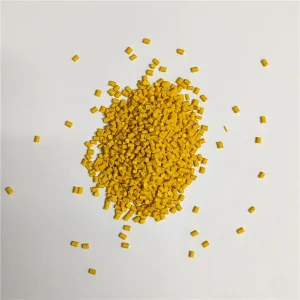
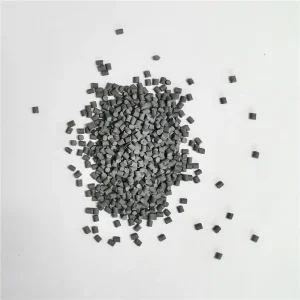
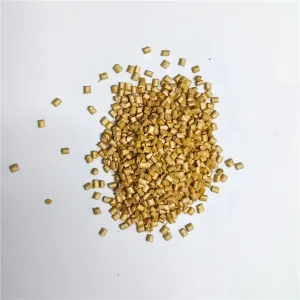
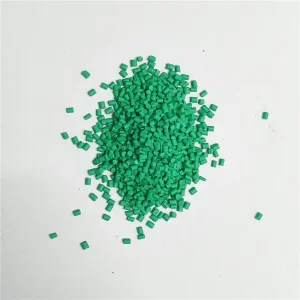
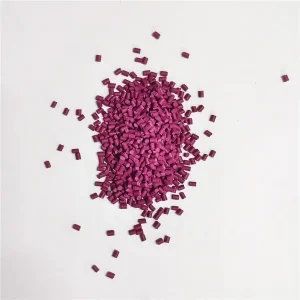
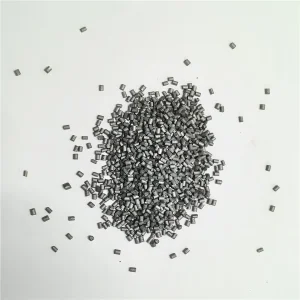
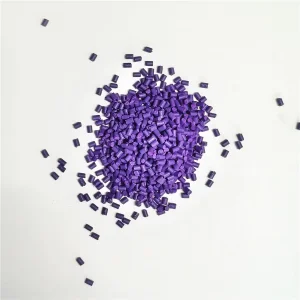
As environmental regulations in Pakistan evolve under the Ministry of Climate Change and plastic bag bans take effect in major urban centers, plastic processors must adjust their chemical formulations to remain compliant and profitable.
With resin price volatility affecting local profits, Pakistani extruders are increasing filler loading ratios up to 30%–45% in raffia and blown films. Advanced surface-treated calcium carbonate fillers using stearic acid coupling agents allow high filler loading without causing die-lip buildup or tensile strength failure.
Global brands operating in Pakistan (e.g., Unilever, Nestlé, PepsiCo packaging lines) mandate strict compliance with heavy-metal-free parameters. Our color masterbatches utilize organic AZO-free pigments, eliminating Lead Chromate (Pb) and Cadmium (Cd) concerns.
To adhere to single-use plastic restrictions in Islamabad, Sindh, and Punjab, we offer specialized pro-degradation additives (d2w/EPI compatible) and PLA/PBAT biodegradable masterbatches designed for eco-friendly carrier bag production.
As Pakistani flexible packaging upgrades to 3-layer and 5-layer co-extrusion technology, specific outer-layer high-gloss white masterbatches and inner-layer barrier additive masterbatches ensure targeted performance while optimizing raw material costs.
Answers to crucial commercial, technical, and shipping inquiries regarding masterbatch procurement from China to Pakistan.
Ocean freight shipments from Ningbo, Shanghai, or Qingdao ports directly to Karachi Port (KCT/KICT) or Port Qasim (QICT) typically take 14 to 18 days in transit. Including order processing and customs clearance documentation, total door-to-port delivery takes approximately 20-25 days.
Yes. We provide China-Pakistan Free Trade Agreement (CPFTA Phase II) Certificate of Origin (Form P / Form FTA) with every shipment. This certificate allows Pakistani importers to benefit from concessionary or zero tariff rates at Pakistan Customs.
Our PE masterbatches are formulated with high-thermal-stability carrier resins and heat-resistant pigments rated up to 260°C – 300°C. They do not discolor, gas, or decompose even during high-speed blown film co-extrusion or thick-wall injection molding during hot summer operational months.
We support Irrevocable L/C at Sight (Letter of Credit) issued by top-tier Pakistani banks (such as Habib Bank Limited, United Bank Limited, MCB Bank, Meezan Bank, National Bank of Pakistan) compliant with State Bank of Pakistan regulations, as well as T/T (Telegraphic Transfer) deposit structures.
Absolutely. You can send us your physical plastic sample or Pantone/RAL color code. Our colorimetry lab will match the precise shade, calculate Delta E values, and dispatch a 1kg-5kg trial sample bag via DHL/FedEx directly to your factory in Pakistan for machine testing.
Due to high pigment concentration, our standard recommended dosage is 1% to 4% depending on wall thickness, desired opacity, and application type. For thin blown film applications, 1%–2% is generally sufficient to achieve full color saturation.
Optimize your plastic manufacturing production costs, enhance color consistency, and secure reliable bulk supply delivered straight to Pakistan.
Send Inquiry Now