Core Polyethylene (PE) carrier formulations engineered for high thermal stability, high load pigment dispersion, and extreme climate durability.
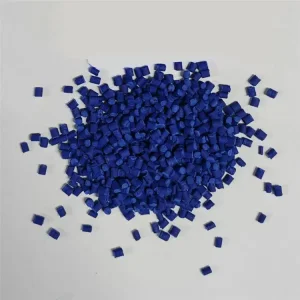
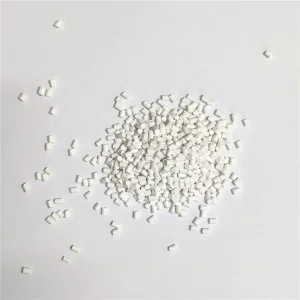
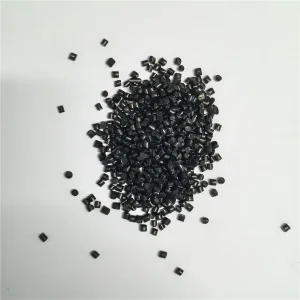
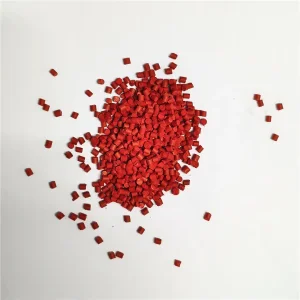
Analyzing the synergy between the Houston Ship Channel, Gulf Coast polyolefin refineries, and advanced polymer colorant suppliers.
The Greater Houston metropolitan area represents the undisputed hub of the Western Hemisphere’s energy and petrochemical industries. Encompassing major industrial zones such as Baytown, Pasadena, Deer Park, and Texas City, the Houston Ship Channel ecosystem manufactures tens of millions of metric tons of low-density polyethylene (LDPE), linear low-density polyethylene (LLDPE), high-density polyethylene (HDPE), and polypropylene (PP) resins annually. For polymer conversion companies, blow-molding processors, and film extrusion facilities operating within this region, sourcing top-tier masterbatch formulations is not merely a supply requirement—it is a critical pillar of manufacturing efficiency and end-product structural integrity.
As downstream plastic processors in the Houston market adapt to heightened international competition, strict environmental mandates, and demanding consumer specifications, the role of high-concentration pigment and functional filler masterbatches has expanded dramatically. Industrial buyers are shifting from traditional liquid colorants and powder pigments toward advanced masterbatch pellets that offer flawless dispersion, non-migratory properties, and robust thermal endurance under high-shear processing conditions.
By pairing virgin resin streams directly produced along the Gulf Coast with high-load PE/PP color and additive masterbatches, industrial molders eliminate process inconsistencies, lower let-down ratios (LDR), reduce thermal degradation risk, and achieve exceptional color match precision (ΔE < 0.5).
Decoding the stringent quality control protocols, carrier compatibility, and supply continuity required by fortune 500 procurement teams.
Precise Melt Flow Index (MFI) matching between masterbatch carriers (PE, PP, EVA) and base polymers prevents phase separation, stress cracking, and structural weakness in high-pressure molding applications.
Formulations containing up to 70% titanium dioxide (TiO2) or carbon black concentrations allow converters to reduce usage rates down to 1%-3%, delivering significant cost savings without losing color opacity.
Advanced organic and inorganic pigment formulations withstand extended UV exposure, high humidity, and aggressive ambient heat typical of Southern U.S. and coastal maritime environments.
Global procurement teams operating within Houston's industrial sector demand supplier compliance across multiple technical benchmarks. When procuring color concentrates and filler additives, engineers evaluate performance metrics across four critical dimensions:
Engineered masterbatch chemistries optimized for rigid packaging, agricultural films, municipal piping, and energy-sector industrial components.
In high-speed LDPE/LLDPE blown film lines—such as those producing agricultural greenhouse films, industrial stretch wrap, and heavy-duty shipping bags—masterbatch uniformity is paramount. Filter blocking value (DFV) must be minimized to avoid premature screen pack clogging. Our high-concentration PE masterbatches utilize ultra-fine dispersed pigments, ensuring bubble stability, tear strength retention, and high opacity even in ultra-thin gauges (down to 10 microns).
For chemical containers, shipping pallets, trash receptacles, and automotive sub-assemblies manufactured across Texas, structural rigidity and color durability are imperative. Incorporating specialized heat-stabilized organic pigments prevents warping, differential shrinkage, and sink marks. Furthermore, our anti-gas formulations ensure that high-temperature injection processes operate without volatile outgassing.
Pioneering bio-based carrier matrices, NIR-detectable black colorants, and smart AI color-matching algorithms for modern circular economies.
Traditional black masterbatches utilize standard carbon black pigments that absorb near-infrared radiation emitted by optical sorting machinery at post-consumer recycling facilities. Consequently, black plastic containers are often misclassified as waste and diverted to landfills. Next-generation NIR-detectable black masterbatches utilize specialized organic pigments or modified carbon structures, allowing automated sorting systems in municipal recycling centers across North America to identify and categorize post-consumer PE and PP resins accurately.
Calcium Carbonate (CaCO3) filler masterbatches have evolved far beyond basic cost-reduction fillers. Utilizing nano-treated surface coatings (stearic acid coupling agents) and sub-micron particle sizing (1.0 to 1.5 microns), modern filler masterbatches increase thermal conductivity, accelerate cooling cycle times in blow molding by up to 15%, enhance flexural modulus, and significantly lower the carbon footprint per manufactured unit.
The integration of artificial intelligence and machine learning models into pigment dispersion R&D allows instant spectral curve simulation. Procurement engineers in Houston can upload target spectrophotometric coordinates (L*a*b* values), and automated formulation systems generate optimized pigment-to-carrier recipes that account for let-down ratios, base resin yellowness indices, and target thermal thresholds in seconds.
Ensuring full alignment with FDA 21 CFR, EPA guidelines, ASTM test methods, and seamless port-to-factory supply chains.
Formulations dedicated to food packaging, beverage closures, and medical devices adhere stringently to FDA 21 CFR 177.1520 regulations, verifying zero migration of hazardous substances or unapproved additives.
Every masterbatch batch undergoes rigorous quality evaluation, including Melt Flow Rate (ASTM D1238), Density testing (ASTM D1505), Carbon Black Content (ASTM D1603), and Heat Deflection Temperature verification.
Leveraging direct access to the Port of Houston, containerized masterbatch shipments benefit from rapid customs clearance, strategically located warehousing, and door-to-door freight routing across North America.
Expert engineering answers to common procurement, compounding, and extrusion questions.
Explore our comprehensive line of color concentrates, metallic effects, and specialized additive masterbatches engineered for international industrial distribution.
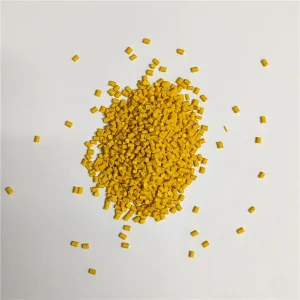
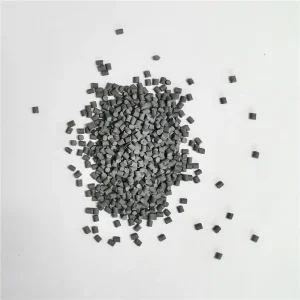
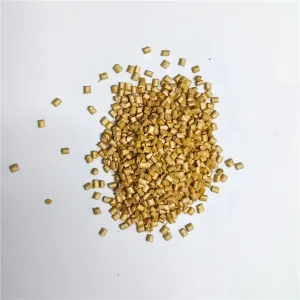
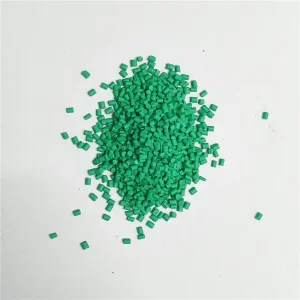
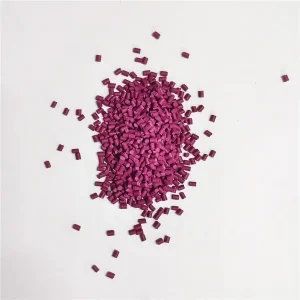
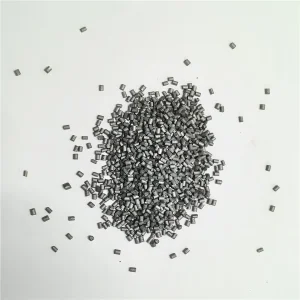
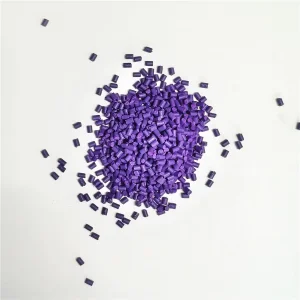
Whether you are seeking custom color matching, high-load filler masterbatch to optimize production costs, or technical support for complex extrusion lines, our team is ready to deliver tailored solutions.