Engineered specifically for high-humidity equatorial processing, superior dispersion, and elevated thermal resistance up to 260°C.
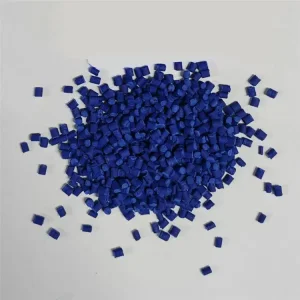
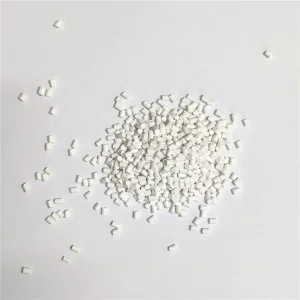
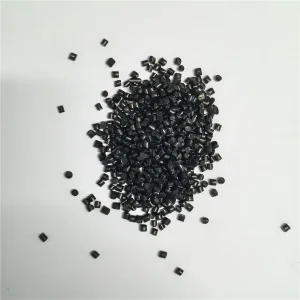
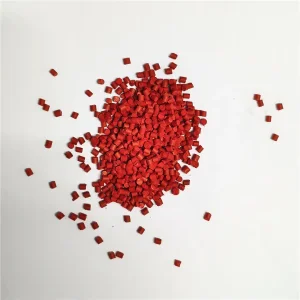
Indonesia stands as the largest economy in Southeast Asia, driven by rapid urbanization, a expanding middle class exceeding 75 million citizens, and aggressive infrastructure modernization under initiatives such as the new capital city project (IKN Nusantara). This macroeconomic momentum has propelled the national plastic manufacturing sector into a high-growth trajectory, generating an annual consumption of over 7.8 million metric tons of virgin and recycled polyolefins (PE, PP, PET, PS).
Industrial manufacturing centers across Western Java—including the dense industrial belts of Jabodetabek (Jakarta, Bogor, Depok, Tangerang, Bekasi), Karawang, and Cikarang—alongside emerging hubs in East Java (Surabaya, Gresik) and North Sumatra (Medan), represent the operational core of plastic conversion in the archipelago. Local converters face multi-faceted challenges unique to tropical processing: extreme ambient relative humidity (often exceeding 85%), high sun irradiance (UV index consistently reaching 11+), and fluctuating raw polymer resin viscosity derived from mixed-source feedstock.
Key Strategic Insight for Indonesian Procurement Officers: Sourcing masterbatches with optimized Melt Flow Index (MFI) matching and hydrophobic PE/PP carrier matrices is essential to eliminate processing defects such as bubble breakages in blown film extrusion and surface silver streaks in injection molding under tropical operational conditions.
Furthermore, the Indonesian government’s national policy on domestic industry strengthening (P3DN) alongside strict environmental mandates has accelerated the demand for high-efficiency filler masterbatches (CaCO3/Talc blends) and concentrated pigment systems. By reducing virgin polymer resin consumption while maintaining mechanical tensile strength, local packaging and industrial goods manufacturers can optimize cost-to-performance ratios while maintaining full alignment with local regulatory bodies.
Formulating color masterbatch and functional additives for the Indonesian market requires deep technical expertise in polymer chemistry. The interaction between carrier resins, organic pigments, inorganic oxides, and environmental factors dictates the overall quality of the end-use plastic product. Standard masterbatch formulations tailored for temperate climates often suffer from migration, pigment agglomeration, and thermal degradation when subjected to Indonesia's extrusion melt temperatures (220°C–280°C) coupled with high humidity storage.
| Parameter | Standard Commercial Grade | Tropicalized Export Grade (Jiazhou) | Indonesian Industry Benefit |
|---|---|---|---|
| Pigment Loading Concentration | 20% - 35% | 40% - 70% High Load | Lower Let-Down Ratio (LDR), reduced freight and storage costs per ton. |
| Heat Stability (DIN EN 12877) | 200°C - 220°C | 260°C - 280°C | Prevents color shifting during high-speed injection molding and thin film blowing. |
| Weatherability & UV Fastness | Blue Wool Scale 4-5 | Blue Wool Scale 7-8 | Resists intense solar radiation; ideal for outdoor agricultural and infrastructure plastics. |
| Carrier Resin Compatibility | Generic LLDPE / Homo-PP | Custom MFI Matched PE/PP | Zero fisheyes, no filter pack clogging, perfectly smooth melt flow. |
| Moisture Content | < 0.15% | < 0.05% Moisture Proof | Eliminates voids, bubbles, and pinholes in high-humidity factory settings. |
Our engineering laboratory utilizes state-of-the-art twin-screw extruders featuring multi-stage vacuum degassing to eliminate microscopic volatiles. By integrating hyper-dispersants and surface-treated ultra-fine pigments (d50 < 0.8µm), we achieve optimal dispersion metrics (Filter Pressure Value < 0.5 bar/g). This technical rigor guarantees that plastic film manufacturers in Tangerang or pipe extruders in Surabaya experience zero filter clogging, uniform wall thickness, and zero color streak variations across 24/7 continuous production cycles.
Tailor-made colorants and functional additives engineered for specific regional industrial requirements.
High-opacity white and vibrant color masterbatches complying with BPOM food-contact standards. Ideal for multi-layer barrier film, pouch laminates, and snack food packaging produced across Jabodetabek factories.
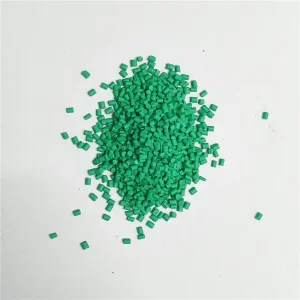
UV-stabilized black and green masterbatches engineered for palm oil nursery bags, banana protection sleeves, and greenhouse mulch films across Sumatra, Kalimantan, and Sulawesi agricultural sectors.
Carbon black masterbatches featuring fine particle sizes (P-type pigments < 20nm) providing exceptional stress-crack resistance and long-term weathering for HDPE water pipes and mining liners in IKN developments.
Anti-scratch, color-consistent masterbatches for polypropylene injection molding. Engineered for motorcycle fairings, electronics housings, and heavy-duty logistics crates produced in Karawang hubs.
Surface-treated calcium carbonate (CaCO3) filler masterbatches tailored for PP raffia weaving lines. Significantly reduces tape breaking while lowering raw material costs per metric ton.
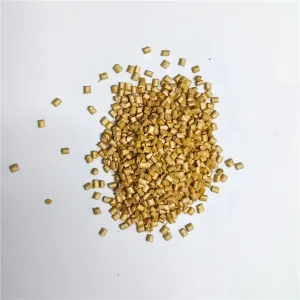
Gold, silver, and pearl effect masterbatches delivering premium visual aesthetics for cosmetics containers, personal care packaging, and high-end retail bags targeting Jakarta's urban consumers.
Operating in the Indonesian plastic sector mandates rigorous alignment with regional and international regulatory compliance frameworks. Suppliers failing to provide fully certified raw materials pose severe financial and operational risks to local converters servicing multinational brand owners.
Explore our full line of high-concentration color and additive solutions available for direct container shipment to Indonesian ports.
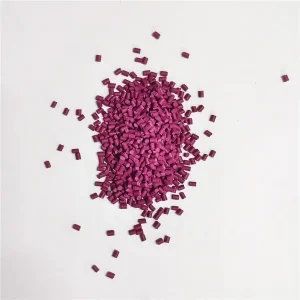
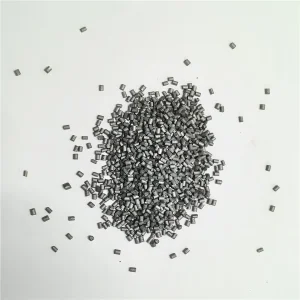
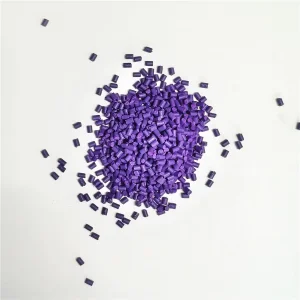
As Indonesia accelerates its national roadmap towards Industry 4.0 ("Making Indonesia 4.0") and circular economy practices, the plastics sector is undergoing a profound structural transition. Converters are tasked with balancing strict operational efficiency, cost reduction, and environmental stewardship.
Developing specialized masterbatches utilizing Post-Consumer Recycled (PCR) and Post-Industrial Recycled (PIR) polyolefins as carrier resins, enabling Indonesian converters to meet brand owner sustainability quotas without compromising melt flow stability.
Introducing Near-Infrared (NIR) reflective carbon-free black colorants that allow automated optical sorting machinery in recycling plants to identify and sort black HDPE and PP rigid packaging.
Incorporating nano-scale mineral fillers and anti-block masterbatches to enhance oxygen and moisture vapor barrier properties in thin agricultural and food preservation packaging across humid climates.
Technical and commercial clarity for procurement teams, factory managers, and polymer engineers.
All export-grade masterbatches are packed in heavy-duty 25kg aluminum-foil lined moisture-proof bags, stacked on fumigated pallets, and stretch-wrapped. This multi-layer barrier guarantees an internal moisture content of less than 0.05% upon arrival at Tanjung Priok or Tanjung Perak ports, eliminating degassing and bubble defects during extrusion.
Due to our high pigment loading (up to 70% in white and up to 50% in color series), the typical recommended LDR ranges between 1.0% and 3.0%, depending on the target opacity and film gauge (micron thickness). Lower LDR significantly reduces your per-kilogram additive costs compared to standard low-concentration masterbatches.
Yes. Formulations dedicated to food packaging comply strictly with BPOM regulations as well as US FDA 21 CFR 177.1520 and EU No 10/2011 standards. Heavy metal content (Pb, Cd, Hg, Cr VI) is certified well below REACH and RoHS limits via independent SGS testing.
We utilize heat-stabilized organic and inorganic pigments combined with thermal antioxidants. Our masterbatches maintain structural color stability and exhibit zero thermal discoloration or gas release at continuous temperatures up to 260°C–280°C, making them suitable for fast-cycle polypropylene injection molding machines.
Absolutely. Our color-matching laboratory utilizes computer-controlled spectrophotometers to match any Pantone, RAL, or physical plastic sample. We provide custom sample pellets and molded color chips within 3 to 5 business days for evaluation on your production equipment in Indonesia.
Direct ocean container shipments from our factory hub to primary Indonesian ports take approximately 12 to 16 days. Our standard MOQ for stock formulations is 1 metric ton (1,000 kg), while custom color-matched formulations require a 2 metric ton minimum order threshold.
Optimize your plastic manufacturing efficiency, elevate product color consistency, and reduce raw resin expenditure today. Request technical datasheets, BPOM compliance reports, or free samples for your Indonesian plant.
Send Inquiry Now