Engineered to exceed strict OEM color tolerance (Delta E < 0.3) and thermal processing benchmarks across Japanese polymer processing plants.
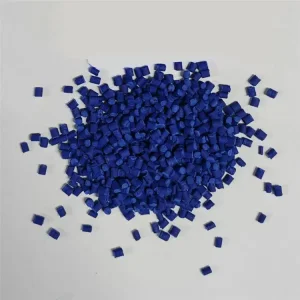
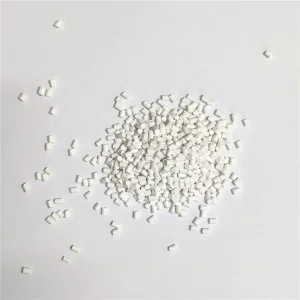
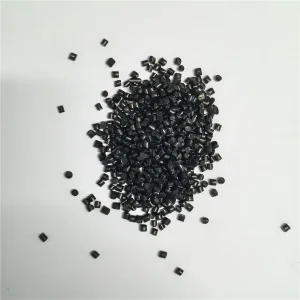
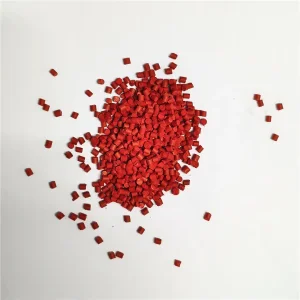
The Nagoya metropolitan area, anchoring Aichi Prefecture and the broader Chubu economic powerhouse, represents the undisputed industrial heartland of Japan. As a premier cluster for automotive engineering (anchored by Toyota Motor Corporation and its Tier-1 supply network), aerospace components, precision machinery, and advanced electronic packaging, Nagoya demands unprecedented rigor from its raw material vendors. In the field of polymer processing, achieving identical color reproducibility, mechanical integrity, and environmental compliance is a prerequisite for entry.
This technical whitepaper outlines how advanced polymer masterbatch solutions—manufactured under Industry 4.0 conditions by experienced B2B suppliers—provide Nagoya’s injection molders, blown film extruders, and profile fabricators with a competitive edge. By leveraging high-concentration PE carrier pigment formulations, optimized melt flow indices (MFI), and strict quality control standards, global suppliers deliver measurable total cost of ownership (TCO) reductions without compromising performance.
Understanding the specific engineering intent and material requirements of Aichi Prefecture’s manufacturing base.
Nagoya OEM Tier-1 & Tier-2 suppliers demand high heat resistance (up to 260°C), low volatile organic compound (VOC) emissions, and non-migration pigments for interior dashboards, under-the-hood wiring channels, and exterior trim components.
Precision injection molders producing semiconductor carrying trays, protective films, and home appliance housings require superior dispersion white and black masterbatches with anti-static and anti-blooming additives.
Strict non-toxic, food-grade, and medical-compliant PE white masterbatches utilizing organic titanium dioxide (TiO₂) with zero heavy metal contamination for specialized pharmaceutical packaging and agricultural barrier films.
In high-throughput manufacturing environments like those found across Nagoya’s industrial parks (such as Minato Ward and the neighboring Kariya cluster), process stability is essential. A minor variance in pigment dispersion or carrier resin compatibility can lead to filter clogging during extrusion, streakiness in blown films, or mechanical weakening in injection-molded structural parts.
Our masterbatches utilize prime-grade Low-Density Polyethylene (LDPE) or High-Density Polyethylene (HDPE) carrier resins with carefully matched Melt Flow Indices (MFI: 5g to 40g/10min). This ensures rapid, homogeneous melting and uniform distribution when let down into polyolefin substrates (PE, PP, EVA) used in Japanese manufacturing lines.
Utilizing co-rotating twin-screw extruders operating with multi-stage temperature control, we achieve up to 70% titanium dioxide (TiO₂) loading in white masterbatch and up to 50% furnace carbon black loading in black masterbatch, treated with surface-active dispersing agents to guarantee zero agglomeration.
| Masterbatch Grade | Carrier Resin | Active Concentration | Thermal Stability | Key Industrial Application |
|---|---|---|---|---|
| Nagoya Auto-Blue PE | Prime LDPE / LLDPE | 35% - 45% Organic Pigment | 260°C - 280°C | Automotive Interior Trim, Bumper Reinforcement |
| High-Opacity White PE | Anatase / Rutile TiO₂ | 50% - 70% Titanium Dioxide | 280°C | Blown Barrier Films, Medical Diagnostic Bags |
| Carbon Black Industrial | HDPE / Specialty Polymer | 30% - 50% Carbon Black | 300°C | Underground Conduit Pipes, Cable Sheathing |
| Weatherable Red / Yellow | PE Carrier | 30% High-Tinting Pigment | 260°C | Outdoor Industrial Containers, Logistics Crates |
Operating from Changzhou, Jiangsu Province—just hours from major shipping ports—Changzhou Jiazhou Plastic Products Co., Ltd. serves as a high-volume manufacturing powerhouse for global markets, including Nagoya and the Chubu region.
By integrating modern automated dosing systems, continuous online optical inspection, and digital twin monitoring across our 6,000m² facility, we eliminate batch-to-batch color shifts. Our direct supply model enables Japanese enterprises to bypass unnecessary intermediary markups while retaining full technical oversight and customized recipe flexibility.
Cost Reduction: 15% – 25% lower landed unit cost compared to domestic Japanese blenders.
Production Capacity: Over 25,000 Metric Tons annual throughput across 12 high-speed lines.
Custom Formulations: Over 5,000 matched color recipes in our global digital laboratory database.
Traceability: Full lot-number barcode indexing from raw pigment to container dispatch.
Pioneering sustainable, intelligent polymer additive solutions for next-generation industrial demands.
To align with Japan’s Plastic Resource Circulation Strategy, we are scaling production of masterbatches utilizing PLA (Polylactic Acid) and PBAT bio-carriers, permitting 100% compostable film and packaging production for eco-conscious Nagoya brands.
As Post-Consumer Recycled (PCR) plastics gain traction in automotive and consumer goods, our specialized masterbatches feature intrinsic chain extenders and compatibilizers that restore mechanical strength and neutralize background odor/yellowing.
Traditional carbon black absorbs Near-Infrared (NIR) radiation, rendering black plastics unidentifiable in recycling sorting facilities. Our novel NIR-detectable black masterbatch allows automated optical sorting machines to categorize recyclable polyolefins accurately.
Supplying companies in Nagoya requires absolute adherence to Japanese national standards, regional environmental directives, and international export protocols. Changzhou Jiazhou Plastic Products operates under a comprehensive quality management system designed to eliminate regulatory barriers for Japanese importers.
Fully compliant with EU Directive 2011/65/EU and REACH SVHC candidate lists, guaranteeing heavy metal-free (Pb, Cd, Hg, Cr VI free) formulations.
Certified non-toxic formulations compliant with US FDA 21 CFR standards for direct contact food container and beverage closure manufacturing.
Audited quality management and environmental protection frameworks governing every stage of raw material reception, compounding, and warehousing.
Formulated to comply with Japanese Industrial Standards (JIS K series) for tensile retention, weatherability, and melt flow stability.
Procurement directors serving Nagoya plants often balance the trade-off between local sourcing convenience and direct factory cost savings. The matrix below outlines how direct partnership with a premier Chinese masterbatch factory delivers strategic advantages over traditional supply channels.
| Procurement Factor | Traditional Local Japanese Trading Co. | Direct China Factory 4.0 Supply (Jiazhou) | Impact on Nagoya Plants |
|---|---|---|---|
| Unit Material Cost | High (Includes multi-tier trader markups) | Optimized Factory-Direct Pricing | 15% - 25% Margin Expansion |
| Color Matching Flexibility | Standard catalog colors, slow custom recipes | Dedicated R&D Lab, custom color within 48h | Accelerated Time-to-Market |
| Min. Order Quantity (MOQ) | Flexible local stock, limited volume scope | Scaled MOQ tailored for B2B industrial lots | High Cost Efficiency per Ton |
| Logistics Corridor | Domestic trucking from regional warehouses | Direct Port-to-Port shipping (Shanghai/Ningbo to Nagoya) | 7 - 10 Day Transit Reliability |
High-concentration pigment masterbatches designed for injection molding, blown film, and extrusion processes.
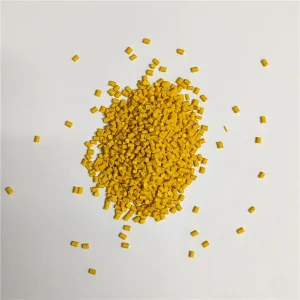
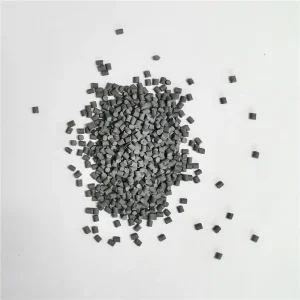
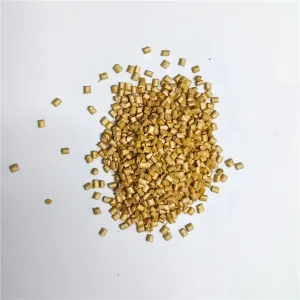
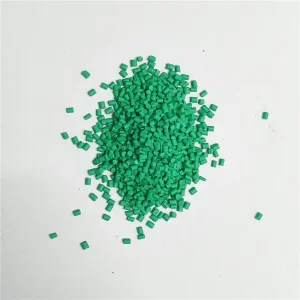
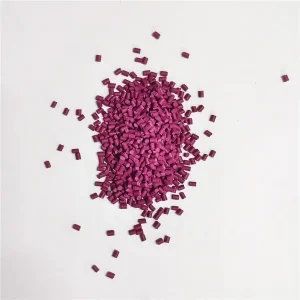
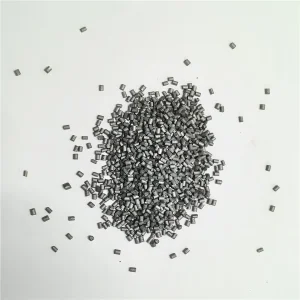
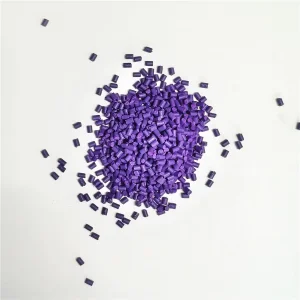
Addressing key technical, compliance, and logistics queries for Japanese manufacturers.
Our manufacturing facility in Changzhou enjoys rapid connection to Ningbo and Shanghai ports. Direct vessel routes to the Port of Nagoya take approximately 3 to 5 days ocean transit time. Accounting for customs clearance and local haulage in Aichi Prefecture, typical door-to-door delivery is achieved within 10 to 14 business days.
Yes. Our fully equipped R&D lab utilizes advanced X-Rite spectrophotometers and pilot extrusion equipment. Japanese clients can send physical target plaques, PANTONE, or RAL color codes. We generate exact custom matches with Delta E < 0.3 tolerances and provide lab test certificates prior to mass production.
Our high-concentration masterbatches utilize thermally stable organic pigments and rutile titanium dioxide bound in virgin polyolefin carriers. They retain full color stability and structural integrity without thermal degradation, gas generation, or plate-out at processing temperatures reaching 260°C to 280°C.
Absolutely. All our color and filler masterbatches comply with REACH, RoHS 2.0 (Directive 2015/863), and heavy metal-free directives. Food-grade and medical-grade masterbatches meet FDA 21 CFR standards and Japan Sanitation Law guidelines for food-contact polymer products.
Due to high pigment loading, our standard recommended let-down ratio ranges from 1% to 4% depending on film thickness or molding wall thickness. This high opacity allows Nagoya processors to minimize masterbatch usage per ton of raw resin, directly reducing production expenses.
Partner with a 16-year masterbatch manufacturer committed to supporting Nagoya’s industrial leaders. Get immediate engineering advice, custom color matching, and direct factory pricing.