High-purity pigment loading, thermal stability up to 260°C, and exceptional dispersion engineered specifically for blown film, injection molding, and infrastructure pipe extrusion across Georgia.
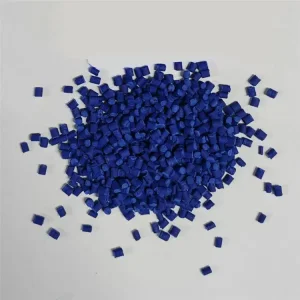
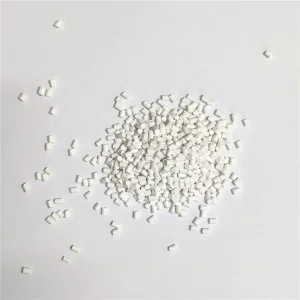
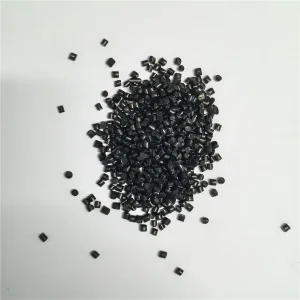
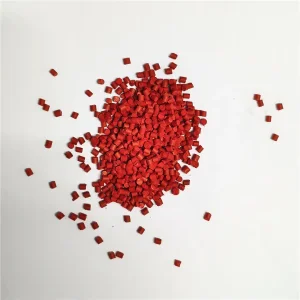
An in-depth evaluation of Georgia's polymer processing landscape, industrial growth trajectories, and supply chain logistics bridging Europe and Asia.
The capital city of Georgia, Tbilisi, alongside its surrounding industrial corridors (including Gldani, Lilo, and the Tbilisi Free Zone), has rapidly emerged as a key strategic manufacturing center in the South Caucasus. Positioned at the crossroads of Western Asia and Eastern Europe, Georgia operates under a deep liberalized trade framework. Benefiting from Deep and Comprehensive Free Trade Areas (DCFTA) with the European Union, as well as Free Trade Agreements (FTAs) with China, Turkey, and CIS nations, Tbilisi serves as an optimal manufacturing base for polymer converters, packaging producers, and construction material enterprises.
As domestic infrastructure modernizes and regional exports surge, local polymer processors face rigorous international quality requirements. Plastic product manufacturers serving Tbilisi must maintain strict standards regarding pigment dispersion, mechanical tensile integrity, lightfastness, and eco-compliance (RoHS, REACH, FDA). To achieve optimal margin performance while satisfying stringent quality benchmarks, local manufacturers rely on high-concentration color masterbatches, filler masterbatches (CaCO₃), and specialized performance additives supplied directly by veteran global manufacturers.
Procurement managers in Tbilisi are increasingly leveraging the "Middle Corridor" (Trans-Caspian International Transport Route) and direct Black Sea maritime connections via Poti and Batumi ports. Raw material deliveries of masterbatch granulates from specialized Asian manufacturing centers reach Tbilisi with minimal customs friction, tax exemptions inside Free Industrial Zones, and reliable transit times under 18–22 days, drastically reducing safety stock carrying costs.
The demand profile for masterbatch products in Tbilisi spans three core industrial pillars:
Understanding how procurement directors in Tbilisi evaluate supplier authority, technical specifications, and total cost of ownership.
Matching carrier resins (LDPE, LLDPE, HDPE, PP) seamlessly with matrix polymers to eliminate die-buildup, phase separation, and surface blemishes during high-speed extrusion.
Concentrations up to 70% titanium dioxide in white masterbatch and 40% carbon black loading allow lower let-down ratios (1% to 3%), drastically lowering freight costs per unit.
Full adherence to EU REACH, RoHS, FDA food-contact standards, EN 71-3 safety guidelines, ensuring zero export barriers for Georgian plastic goods entering European markets.
When evaluating suppliers for Tbilisi polymer production facilities, calculating total cost extends far beyond FOB price per kilogram. Procurement officers evaluate four core financial factors:
Rigorous laboratory metrics ensuring premium performance in high-speed extrusion lines and complex injection molds.
Masterbatch quality depends primarily on pigment particle size reduction and dispersion. In our ISO-certified manufacturing plant, we utilize continuous multi-stage co-rotating twin-screw extruders featuring L/D ratios of 44:1 or 48:1. This guarantees:
| Parameter / Property | Test Standard | PE Color Series | HDPE Pipe Grade | CaCO₃ Filler Series |
|---|---|---|---|---|
| Carrier Resin Type | ISO 1183 | Virgin LLDPE / LDPE | Virgin HDPE (PE100) | Homo-PP / LLDPE |
| Active Content Loading | ISO 3451-1 | 25% - 50% Organic/Inorganic | 40% P-Type Carbon Black | 75% - 82% Ultra-fine CaCO₃ |
| Heat Resistance (°C) | DIN EN 12877-2 | 240°C - 280°C | 300°C Peak | 260°C |
| Light Fastness (Blue Wool) | ISO 105-B02 | Scale 7 - 8 (Maximum) | Scale 8 (UV Stabilized) | N/A |
| Moisture Content | ASTM D6980 | < 0.15% | < 0.05% | < 0.10% |
Ensuring zero-friction customs clearance, tax incentives, and flexible delivery options into Georgian industrial parks.
Georgia's favorable tax structure allows international companies operating within Tbilisi Free Zone (TFZ) or Kutaisi Free Industrial Zone to import masterbatches duty-free and VAT-exempt. Our export team provides complete documentation suites including Certificate of Origin (Form A / EUR.1), Bill of Lading, Packing Lists, and REACH Compliance declarations, streamlining customs release within 24 hours at Georgian border control checkpoints.
We offer rapid color matching for plastic processors in Tbilisi. By utilizing spectrophotometric color analysis (CIELAB color space), clients can send target samples or RAL/Pantone color codes to our engineering team. We formulate tailored masterbatch samples within 48 hours and dispatch express air-freight test batches directly to your production facility in Tbilisi.
Pioneering sustainable additives, bio-based carriers, and circular economy integrations for the next generation of plastic manufacturing.
Formulating masterbatches specifically tailored for Post-Consumer Recycled (PCR) resins, compensating for polymer degradation and odor while restoring mechanical integrity.
Developing PLA and PBAT-based carrier color masterbatches for 100% compostable packaging applications compliant with European circular economy mandates.
Integrating nano-titanium and infrared blocking additives to reduce internal heating in outdoor plastic components and extend agricultural film lifespan in high-UV Caucasian solar zones.
Addressing common procurement, technical engineering, and shipping inquiries from factories serving Tbilisi and the Caucasus region.
Explore our complete range of high-concentration color and additive granules optimized for injection molding, blown film, and pipe extrusion across Tbilisi.
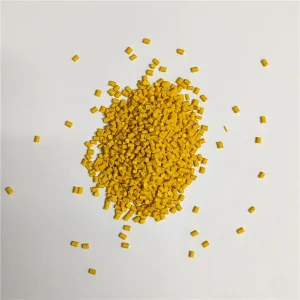
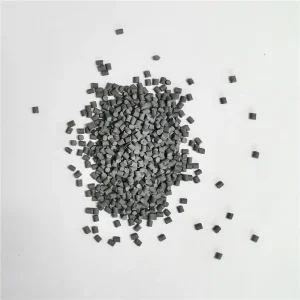

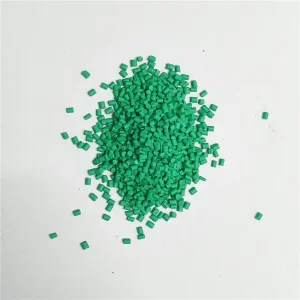
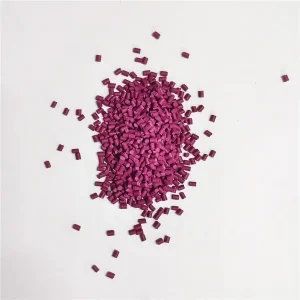
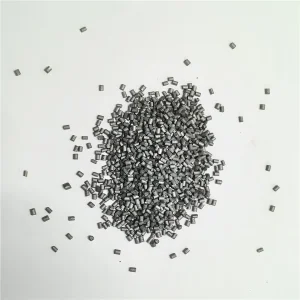
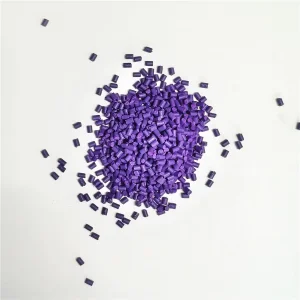
Whether you require custom color matching, high-opacity white masterbatch, or cost-reducing CaCO₃ filler masterbatch, our engineering team is ready to assist your facility in Georgia with free samples and technical support.
Send Inquiry Now