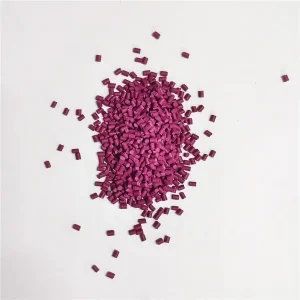
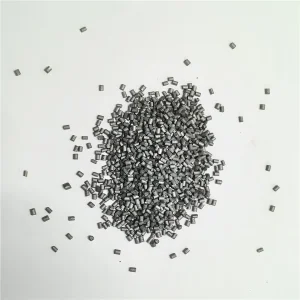
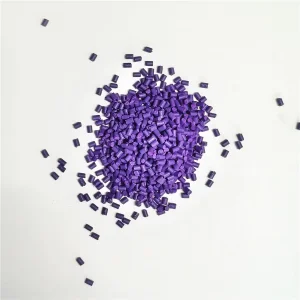
High-concentration carrier systems engineered specifically for high-speed blown film, precision injection molding, and complex industrial extrusion across Central and Eastern Europe.
Analyzing Central Europe’s manufacturing epicenter and the strategic imperative for direct factory masterbatch sourcing.
Hungary has positioned itself as an undeniable powerhouse within Central Europe's advanced manufacturing landscape. Dominated by major industrial hubs across Budapest, Debrecen, Győr, and Kecskemét, the national economy relies heavily on precision automotive engineering, high-volume electronics assembly, agricultural film production, and rigid packaging. As global OEMs expand their manufacturing footprints in Hungary—highlighted by EV battery mega-factories and automotive assembly plants—the structural demand for high-performance polymer additives and color masterbatches has reached unprecedented levels.
To remain competitive in European markets, Hungarian plastic processors require raw material inputs that deliver strict color consistency (Delta E < 0.5), exceptional melt flow index (MFI) matching, and zero dispersion defects. Sourcing directly from certified masterbatch factories provides Hungarian converters with a resilient, cost-optimized alternative to local compounding markups, mitigating inflation and energy grid volatile costs across CEE.
Importing masterbatches into the Hungarian industrial sector demands total regulatory compliance with European Union frameworks. Plastic product manufacturers operating under Hungarian law must strictly abide by the EU REACH Regulation (EC No 1907/2006) regarding Substances of Very High Concern (SVHC), as well as heavy metal bans under RoHS Directive 2011/65/EU.
Furthermore, under the upcoming EU Packaging and Packaging Waste Regulation (PPWR), Hungarian manufacturers face stringent mandates regarding recyclability, non-contaminating pigments, and Post-Consumer Recyclate (PCR) compatibility. Our masterbatch manufacturing lines integrate ultra-pure carbon black, food-grade rutile Titanium Dioxide (TiO₂), and heavy-metal-free organic pigments engineered specifically to meet EFSA and FDA food-contact standards, ensuring seamless export across all 27 EU member states.
How technological advancements in micro-dispersion chemistry and circular economy standards are shaping polymer processing in Hungary.
With European legislation enforcing recycled plastic content in packaging and consumer products, Hungarian converters face major challenges regarding polymer degradation, odor, and batch-to-batch viscosity fluctuations. The modern industry trend has shifted toward masterbatches formulated with broad-compatibility polyethylene (PE) and polypropylene (PP) carriers designed to encapsulate impurities and stabilize PCR resins without causing melt fracture or die buildup.
Conventional carbon black masterbatches absorb Near-Infrared (NIR) radiation, rendering black plastic waste invisible to optical sorting equipment in European recycling facilities. To overcome this barrier, advanced manufacturers serving Hungary utilize specialized NIR-reflective black formulations. These allow automated sorting plants in Hungary and Western Europe to identify and segregate black polymers into clean recycling streams.
As raw virgin resin costs fluctuate, Hungarian film blowing and pipe extrusion enterprises rely heavily on calcium carbonate (CaCO₃) filler masterbatches to lower production costs. Modern filler technology utilizes sub-micron particle sizing (1.0 to 1.5 microns) surface-treated with stearic acid. This prevents agglomeration, significantly enhances mechanical tensile strength, improves opacity, and acts as an internal cooling agent to speed up extrusion line cycle times.
Central Europe experiences significant seasonal temperature variations and solar radiation levels. Masterbatches supplied to Hungarian agricultural film producers, municipal piping contractors, and outdoor furniture molders must contain synergistic Hindered Amine Light Stabilizers (HALS) and UV absorbers. This prevents color chalking, fading, and embrittlement over long-term outdoor exposure.
Engineered parameter standards for high-speed extrusion, film blowing, and injection molding machinery operating in Hungary.
| Masterbatch Grade | Pigment / Content Loading | Carrier Resin Base | Heat Stability (°C) | Filter Pressure Value (FPV) | Lightfastness (Blue Wool) | Primary Hungarian Industrial Application |
|---|---|---|---|---|---|---|
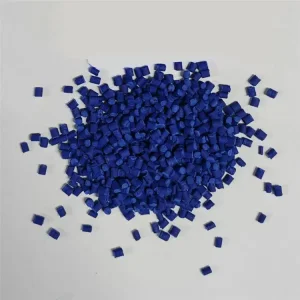
| PE Blue High-Concentration | 30% – 45% Organic Phthalo | LDP / LLDPE / HDPE | 260°C – 280°C | < 0.8 bar/g | Grade 7 – 8 | Injection Molded Crates, Bottle Caps, Pressure Pipes |
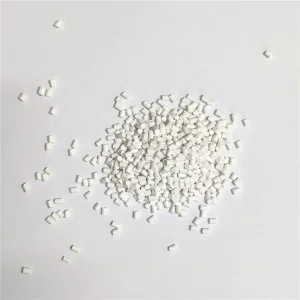
| PE White Rutile Grade | 50% – 70% Rutile TiO₂ | Virgin LDPE Carrier | 280°C – 300°C | < 0.5 bar/g | Grade 8 | Multi-layer Blown Film, Milk Pouches, Hygiene Films |
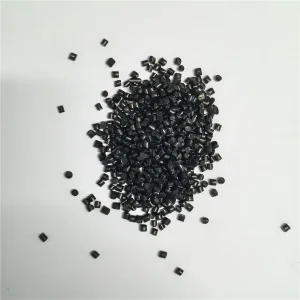
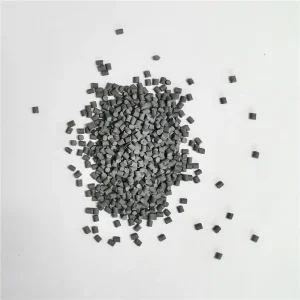
| PE Black Premium UV | 40% – 50% Fine Carbon Black | LLDPE / HDPE | 260°C – 290°C | < 0.6 bar/g | Grade 8 | Geomembranes, Agricultural Drip Tape, Cable Sheathing |
| CaCO₃ Filler Ultra-Fine | 75% – 85% Sub-micron CaCO₃ | Linear Low-Density PE | 240°C – 260°C | < 1.0 bar/g | N/A | Shopping Bags, T-Shirt Bags, Rigid Thermoforming Sheets |
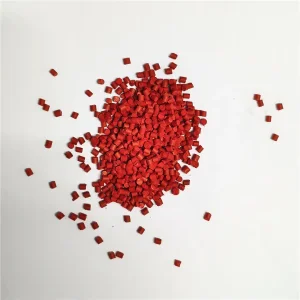
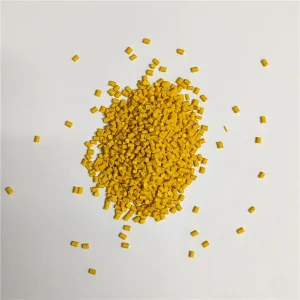
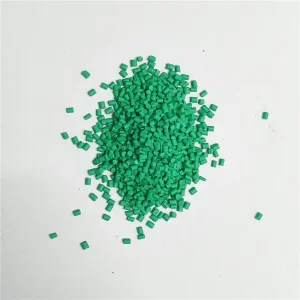
| Specialty Color (Red/Yellow/Green) | 25% – 40% Non-Migratory | PE / Universal Polyolefin | 250°C – 270°C | < 1.2 bar/g | Grade 6 – 7 | Consumer Electronics, Automotive Interiors, Toys |
Custom masterbatch compounding tailored to the exact machinery requirements of regional Hungarian manufacturing hubs.
The automotive industrial centers in Győr and Kecskemét demand masterbatches engineered for extreme thermal endurance and low VOC emissions. Polymer components under the hood or within passenger cabins must satisfy fogging tests and color stability specs under severe heat stress. Our custom color masterbatches utilize high-heat organic pigments (up to 300°C) with low melt viscosity carriers, allowing Tier-1 suppliers to produce injection-molded automotive trims, connectors, and under-hood housings without streak lines or pinhole defects.
Around the Greater Budapest area, flexible packaging converters operate high-output multi-layer co-extrusion blown film lines. To maintain high line speeds (up to 400 kg/hr), film extruders rely on our PE White (70% TiO₂) and PE Transparent CaCO₃ Filler masterbatches. These grades ensure exceptional opacity, high tear resistance for courier bags and stretch hood films, and uniform bubble stability without causing die-lip buildup.
Agricultural enterprises across Hungary’s southern plains require heavy-duty greenhouse covers, mulch films, and subterranean drip irrigation pipes. Our PE Black Masterbatch (50% high-opacity carbon black) and UV-Stabilizer Masterbatches guarantee superior protection against degradation caused by agrochemicals and intense UV light, prolonging crop film lifespan across multiple growing seasons.
Electronics manufacturers in Debrecen require non-conductive, fire-retardant, and aesthetically precise colored polymers. Our masterbatches feature high pigment dispersion that eliminates color shading in complex blow-molded or injection-molded appliance casings, satisfying stringent international dielectric and UL94 flammability safety guidelines.
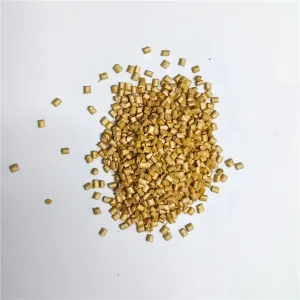
Explore our full line of specialized color shades, metallic lusters, and industrial filler masterbatches designed for seamless factory integration.
Expert answers addressing logistics, EU regulatory standards, formulation matching, and factory door-to-door delivery into Hungary.
Partner directly with an established masterbatch manufacturer. Access custom color formulations, competitive direct factory pricing, and rapid technical support tailored for European polymer extruders.
Send Inquiry Now