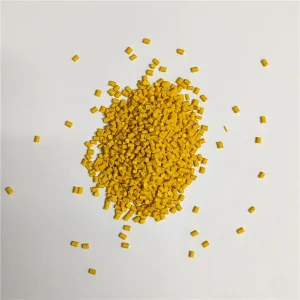
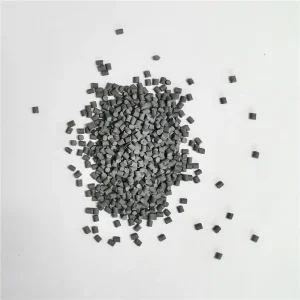
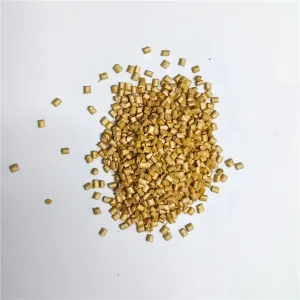
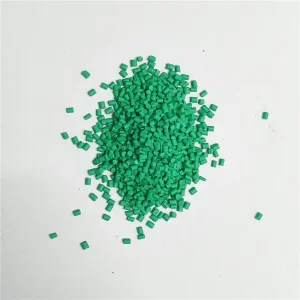
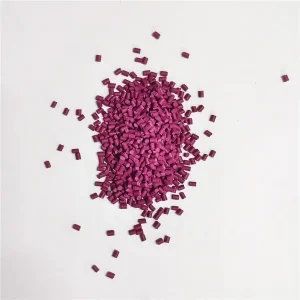
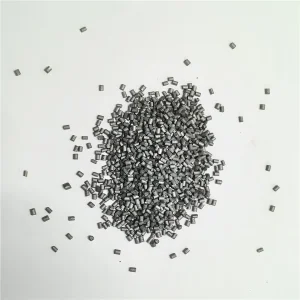
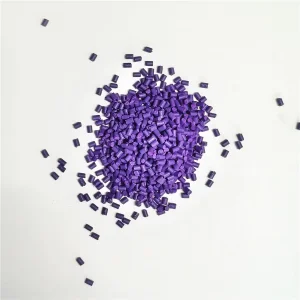
Specially formulated for high thermal dispersion, UV resistance, and severe weather durability required by Iraqi plastic manufacturers.
As the Republic of Iraq accelerates its post-reconstruction infrastructure initiatives and diversifies its domestic industrial footprint, the demand for industrial-grade plastic additives, high-pigment masterbatches, and functional filler masterbatches has reached an unprecedented scale. Major industrial clusters in Baghdad, Basra, Erbil, and Sulaymaniyah are witnessing a profound structural shift toward high-throughput polyolefin processing, driven by national civil engineering projects, agricultural modernization, and expanding consumer packaging sectors.
However, Iraq's unique geopolitical and environmental operating environment presents distinct engineering challenges for plastic compounders and converters. Operating plastic extrusion and injection molding machinery under Iraqi summer ambient temperatures exceeding 50°C to 55°C (122°F–131°F) requires raw materials with exceptional heat deflection properties, melt flow index (MFI) control, and photothermal resistance. Standard color masterbatches formulated for temperate regions often suffer from thermal degradation, pigment migration, streaking, and rapid UV breakdown under intense Middle Eastern solar irradiation.
Key Takeaway for Iraqi Plastic Converters: Procuring masterbatch directly from specialized factories certified with ISO 9001 quality systems ensures high pigment dispersion, eliminating die buildup and pipe wall porosity caused by sub-standard additives under extreme heat.
Understanding regional industrial specialization within Iraq is crucial for technical material selection:
On a global scale, the masterbatch market is evolving rapidly from traditional color blending to advanced molecular dispersion science. A masterbatch is a concentrated mixture of pigments, fillers, and functional additives encapsulated during a thermal process into a carrier polymer resin. The choice of carrier resin, pigment particle size, dispersing agent (such as PE wax), and thermal stabilizer directly determines the mechanical performance of the end-use plastic product.
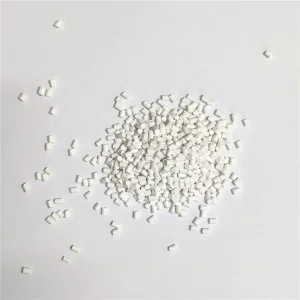
High-opacity white masterbatches utilize coated Rutile Titanium Dioxide (93%+ purity). Rutile crystals reflect UV rays efficiently, providing maximum opacity, high whiteness index (>95), and superior resistance to yellowing during high-temperature extrusions up to 280°C.
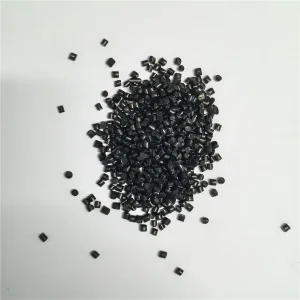
For pressure pipes and outdoor agricultural films, carbon black particle size is kept below 25 nanometers. Fine particle dispersion blocks UV radiation wavelengths (290–400 nm), preventing polymer chain scission and environmental stress cracking (ESCR).
CaCO₃ filler masterbatch incorporates ultra-fine, surface-treated calcium carbonate (1.2–2.5 microns). It lowers resin consumption costs by 15–30%, improves thermal conductivity, speeds up cooling cycles, and increases film stiffness without tearing.
One of the most frequent points of failure in Iraqi plastic factories is melt flow incompatibility between the masterbatch carrier and the base resin. If the Melt Flow Index (MFI) of the masterbatch carrier is significantly lower than the virgin polymer, poor shear dispersion occurs, yielding "fish-eyes", pigment agglomerates, and pinholes in blown films.
Our factory utilizes high-grade virgin Polyethylene (PE) carriers with engineered MFI values tailored for HDPE pipe extrusion, LLDPE film blowing, PP woven sacks, and LDPE injection molding. This guarantees instant, homogenous wetting and zero phase separation during high-torque twin-screw processing.
Comprehensive engineering matrix detailing technical parameters suitable for extreme climate industrial operations.
| Masterbatch Category | Pigment / Filler Content (%) | Carrier Resin Type | Heat Resistance (°C) | Light Fastness (Blue Wool 1-8) | Primary Application in Iraq Market |
|---|---|---|---|---|---|
| High-Opacity PE White | 60% – 70% Rutile $TiO_2$ | PE (LLDPE / LDPE) | 280°C – 300°C | 8 (Maximum) | Milk packaging, beverage bottles, edible oil containers, agricultural mulch film. |
| UV-Stabilized Black | 40% – 50% Fine Carbon Black | HDPE Virgin Resin | 260°C – 280°C | 8 (Maximum) | SDR 11 water pipes, oilfield conduits, drip irrigation tubing, geomembranes. |
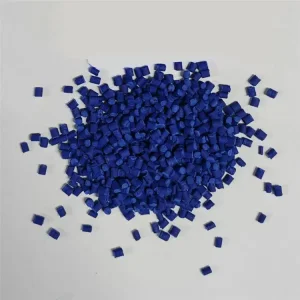
| High-Concentration Blue | 30% – 40% Phthalo Blue | PE / Universal | 260°C | 7 – 8 | Water tanks, blue drum containers, chemical carboys, plastic crates. |
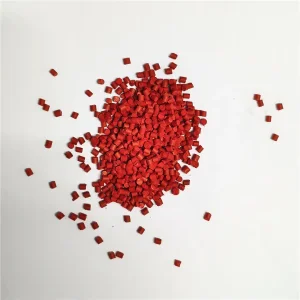
| Anti-Fading Yellow / Red | 25% – 35% Organic Pigment | PE Carrier | 240°C – 260°C | 7 | Gas pipe marking lines, warning tapes, detergent bottles, toys. |
| Industrial CaCO₃ Filler | 75% – 84% Treated $CaCO_3$ | PE / PP Blend | 220°C – 260°C | N/A | Shopping bags, garbage bags, woven sacks, corrugated pipes, bucket molding. |
Delivering tailored formulation chemistry to address specific regional manufacturing requirements.
Challenge: Excessive pipe cracking and thermal degradation under direct sunlight exposure during field installation in Southern Iraq.
Solution: Application of 50% Carbon Black Masterbatch with secondary antioxidant packages (Irganox 1010/168). Ensures full UV opacity, weather resistance over 50 years, and smooth inner pipe walls for municipal water mains.
Challenge: Rapid embrittlement of greenhouse cover films caused by intense solar radiation and agrochemical spray exposure.
Solution: Deployment of specialized Green and Yellow PE Masterbatches combined with HALS (Hindered Amine Light Stabilizers). Extends film operational lifespan to 3-5 seasons while maintaining optimal light spectrum transmission.
Challenge: Streak marks, irregular wall thickness, and color migration in food-grade plastic packaging containers.
Solution: Custom-matched non-migration Color Masterbatch using food-safe pigments complying with FDA and REACH standards. Guarantees uniform coloration, high drop-impact strength, and zero taste contamination.
Navigating technological advancements in color compounding, eco-friendly additives, and PCR plastic integration.
The global plastic compounding industry is undergoing a paradigm shift toward environmental sustainability, circular economy compliance, and smart nano-materials. As regulatory frameworks evolve and Middle Eastern plastic manufacturers adopt recycled polyolefins (PCR), masterbatch formulations must innovate to overcome the inherent quality defects of recycled resins.
Traditional single-screw compounding fails to break down microscopic pigment clusters, leading to pinholes and color variation. Our production facilities utilize high-torque, co-rotating twin-screw extruders equipped with precision gravimetric dosing units. High shear zones strip pigment agglomerates down to sub-micron scales, encapsulating each particle inside the molten PE matrix.
When Iraqi recyclers process post-consumer HDPE or PP bottles, the regrind resin often exhibits yellowing, foul odors, and reduced melt strength. Our advanced technical roadmap includes:
With food security and clean packaging gaining priority across the Middle East, our masterbatches adhere strictly to international non-toxic safety protocols. Heavy metals (Lead, Cadmium, Hexavalent Chromium, Mercury), phthalates, and aromatic amines are completely excluded, fulfilling EU RoHS, REACH, and FDA 21 CFR standards for food contact.
High-concentration colorants engineered for injection molding, film blowing, and profile extrusion.
Addressing key technical, logistical, and commercial inquiries for direct B2B factory supply to Iraq.
Our masterbatches are formulated using thermal-stabilized PE/PP carrier resins with processing heat resistance up to 260°C–300°C. We incorporate hindered phenol antioxidants and phosphite processing stabilizers, preventing polymer degradation and color shifting during high-temperature extrusion.
We provide comprehensive FOB, CFR, and CIF shipping options directly to Umm Qasr Port (Basra) for sea freight container shipments. For northern Iraqi regions (Erbil/Sulaymaniyah), we can arrange transit clearance via Mersin Port or overland trucking solutions with full COA and SGS inspection documentation.
Due to our high pigment loading concentrations (up to 70% $TiO_2$ for white and 50% for black), the typical let-down ratio ranges between 1% to 4% depending on wall thickness and opacity requirements, significantly reducing overall additive costs for Iraqi factories.
Yes. We manufacture food-grade color masterbatches complying with FDA 21 CFR and EU REACH regulations. They are free of heavy metals, non-toxic, and anti-migratory, making them ideal for beverage caps, water bottles, and food packaging containers in Iraq.
Absolutely. Our R&D laboratory utilizes advanced spectrophotometers and computer color-matching systems. Iraqi clients can send RAL/Pantone codes or physical target plastic samples. We dispatch laboratory sample pellets for client approval within 3–5 working days.
We use ultra-fine 1.2-micron calcium carbonate powder treated with nano-stearic acid coating. This enhances bonding with virgin PE/PP resins, preventing tear strength reduction while lowering resin costs and speeding up extrusion output cycles.
Optimize your production costs, eliminate pigment migration, and enhance product weather resistance today. Request technical datasheets, free sample kits, or factory-direct pricing.
Send Inquiry Now