
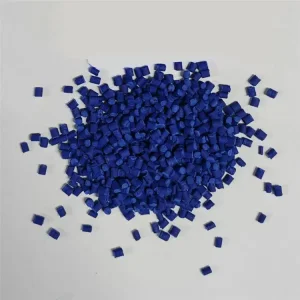
Comprehensive Technical Guide on High-Concentration PE Color & Additive Masterbatches Tailored for Iberian Packaging, Agriculture, Automotive & Polymer Transformation
Engineered for high-speed extrusion, blown film, and precision injection molding operations across Spain
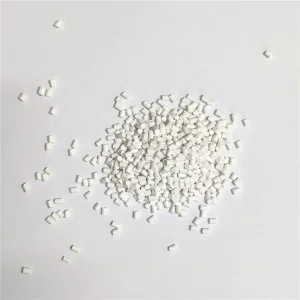
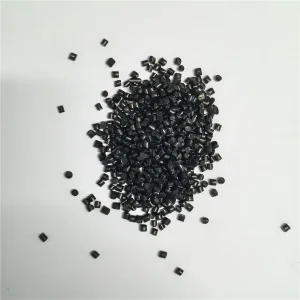
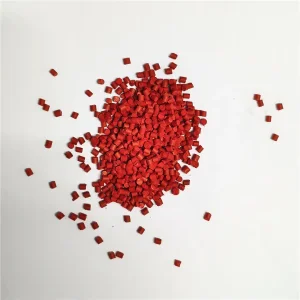
The Kingdom of Spain represents one of the largest polymer converting and plastic transformation hubs within the European Union. With major industrial clusters situated across Catalonia (Barcelona), the Valencian Community, Andalusia (Almería and Murcia), and the Basque Country, Spanish plastic manufacturers operate under stringent regulatory standards including the EU Circular Economy Action Plan and Spain’s national Real Decreto 1055/2022 de envases y residuos de envases. Navigating this dynamic landscape requires plastic masterbatch suppliers and manufacturers to provide not merely pigment concentrates, but high-performance additive solutions engineered for micro-dispersion, thermal stability, UV resistance, and full compliance with UNE-EN ISO specifications.
In this technical whitepaper, we dissect the operational realities, chemical specifications, intent-driven purchasing metrics, and localized application demands governing the supply of polyethylene (PE) color masterbatch, carbon black concentrates, titanium dioxide (TiO₂) white masterbatches, and functional additive formulations tailored specifically for Spanish business-to-business (B2B) buyers.
Key Insight for Spanish Converters: The introduction of Spain’s non-reusable plastic packaging tax (€0.45 per kilogram of non-recycled plastic resin) has dramatically accelerated the demand for high-tinting-strength masterbatches compatible with PCR (Post-Consumer Recycled) resins and PIR (Post-Industrial Recycled) carriers without compromising tensile integrity or visual brilliance.
Globally, the plastic masterbatch market is undergoing a structural transition towards high-concentration pigment loading, energy-efficient processing, and targeted molecular stabilization. Spanish converters face twin pressures: managing volatile raw material costs for virgin LLDPE/LDPE/HDPE carriers while maintaining precise optical tolerance (Delta E < 0.5) across long production runs.
To serve Spanish industrial suppliers effectively, global manufacturing partners must integrate high-shear twin-screw compounding technology, automated gravimetric feeding systems, and advanced pigment surface treatment (such as silane and titanate coupling agents). This guarantees superior filterability (low Pressure Filter Value - DF value) during ultra-thin film blowing, preventing gel formation, die buildup, and melt fracture on high-speed European extruders like Reifenhäuser, Alpine, or Macchi machines widely deployed throughout Spanish manufacturing facilities.
Tailoring masterbatch chemistry to Spain's key geographic and industrial manufacturing clusters
Spain's south-eastern agricultural powerhouse requires high-durability greenhouse films, solarization films, and drip irrigation pipes. Masterbatches formulated for this sector feature Hindered Amine Light Stabilizers (HALS), anti-oxidants, and UV-blockers capable of withstanding intense UV radiation (>160 kLy/year) and agrochemical exposure (sulfur and chlorine contaminants).
Driven by Spain’s massive food export industry (olive oil, fresh produce, meat, and wine), packaging plants in Valencia and Catalonia demand high-opacity White TiO₂ masterbatches and specialized color concentrates. Formulations must comply fully with EU Regulation (EU) No 10/2011 for food contact materials and offer ultra-low organoleptic transfer.
Automotive tier-1 suppliers in Catalonia and northern Spain utilize engineering-grade Polypropylene (PP) and PE masterbatches for interior trim, under-the-hood housings, and exterior bumpers. Key requirements include non-fading pigments, scratch resistance, low VOC emissions (VDA 278 compliance), and thermal stability up to 280°C.
Pioneering technical solutions designed to align Spanish plastic processors with Net-Zero 2050 goals
Traditional carbon black absorbs Near-Infrared (NIR) radiation, making black plastics invisible to automated optical sorting sensors in Spanish recycling facilities (e.g., Ecoembes sorting plants). Our NIR-detectable black masterbatches utilize specialty organic pigments that allow automated sorting units to identify and segregate PE/PP resins accurately.
To support Spanish packaging manufacturers in fulfilling recycled content quotas, our R&D team customizes carrier resins using certified post-consumer recycled polyolefins. Melt Flow Index (MFI) matching ensures seamless integration without causing shear degradation or melt fracture during high-speed blown film cycles.
Incorporating ultra-fine, nano-calcium carbonate (CaCO₃) treated with stearic acid surface coatings allows Spanish extruders to substitute up to 40% of expensive virgin polyolefin resin. This yields structural rigidity, reduces cooling cycle times by up to 18%, and delivers significant carbon footprint reduction.
In accordance with Search Quality Rater Guidelines and rigorous industrial procurement standards, evaluating a masterbatch manufacturer for the Spanish market requires verifying strict quality metrics across raw materials, manufacturing processes, and final physical testing. Below is the technical compliance framework established by our engineering laboratory:
Working with a specialized international masterbatch manufacturer provides Spanish buyers with distinct economic and technical advantages. By combining economies of scale in pigment sourcing with custom formulation agility, Spanish converters can achieve up to a 15-25% reduction in overall coloring cost per ton of finished plastic products. Furthermore, rapid color matching services allow Spanish manufacturers to submit prototype samples to European brand owners in as few as 48 hours, dramatically shortening product development cycles.
Addressing technical, regulatory, and logistics queries for Spanish plastic masterbatch importers
Yes. All our food-grade white, color, and additive masterbatches designed for the Spanish packaging sector strictly adhere to EU Regulation (EU) No 10/2011, Regulation (EC) No 1935/2004, and Spanish national framework laws. Heavy metal content is independently tested to remain well below the 100 ppm threshold mandated by EU Directive 94/62/EC.
Thanks to our ultra-high pigment loading (up to 70% concentration), typical let-down ratios (LDR) range from 1% to 4% depending on film thickness and opacity requirements. For agricultural greenhouse films or opaque injection containers, an LDR of 2%–3% routinely achieves complete opacity and color uniformity, reducing overall masterbatch consumption.
Our masterbatches are specifically engineered with carrier resins that possess broad compatibility windows (compatible MFI range: 2.0 to 20.0 g/10min). Special processing aids and antioxidant additives are incorporated to neutralize residual impurities, gel formation, and odor variations inherent in PCR streams collected throughout Spain.
We maintain streamlined export logistics with standard production lead times of 10-15 business days. Direct maritime container shipments reach major Spanish ports—including Valencia, Barcelona, and Algeciras—within 22 to 28 transit days. Airfreight options for custom sample matching can be delivered to Spain in 3-5 days.
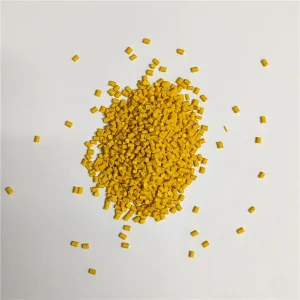
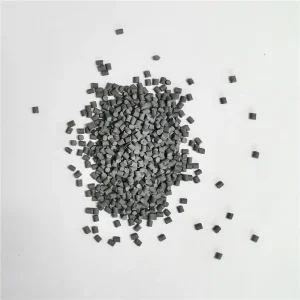
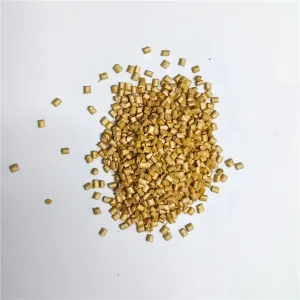
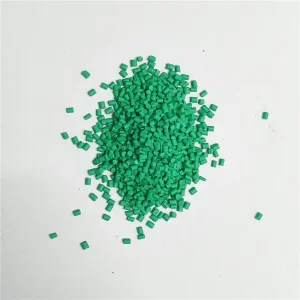
Explore our full line of non-toxic, heat-resistant, anti-fading masterbatches tailored for Spanish manufacturing
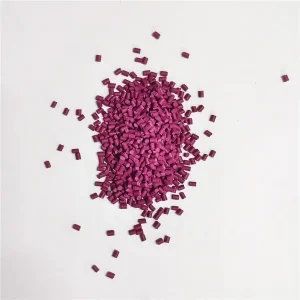
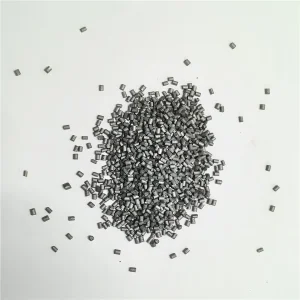
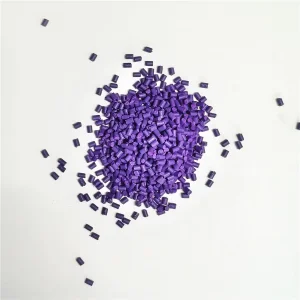
Request custom color matching, technical datasheets (TDS), safety datasheets (MSDS), or free laboratory samples for your Spanish manufacturing plant.
Send Inquiry Now